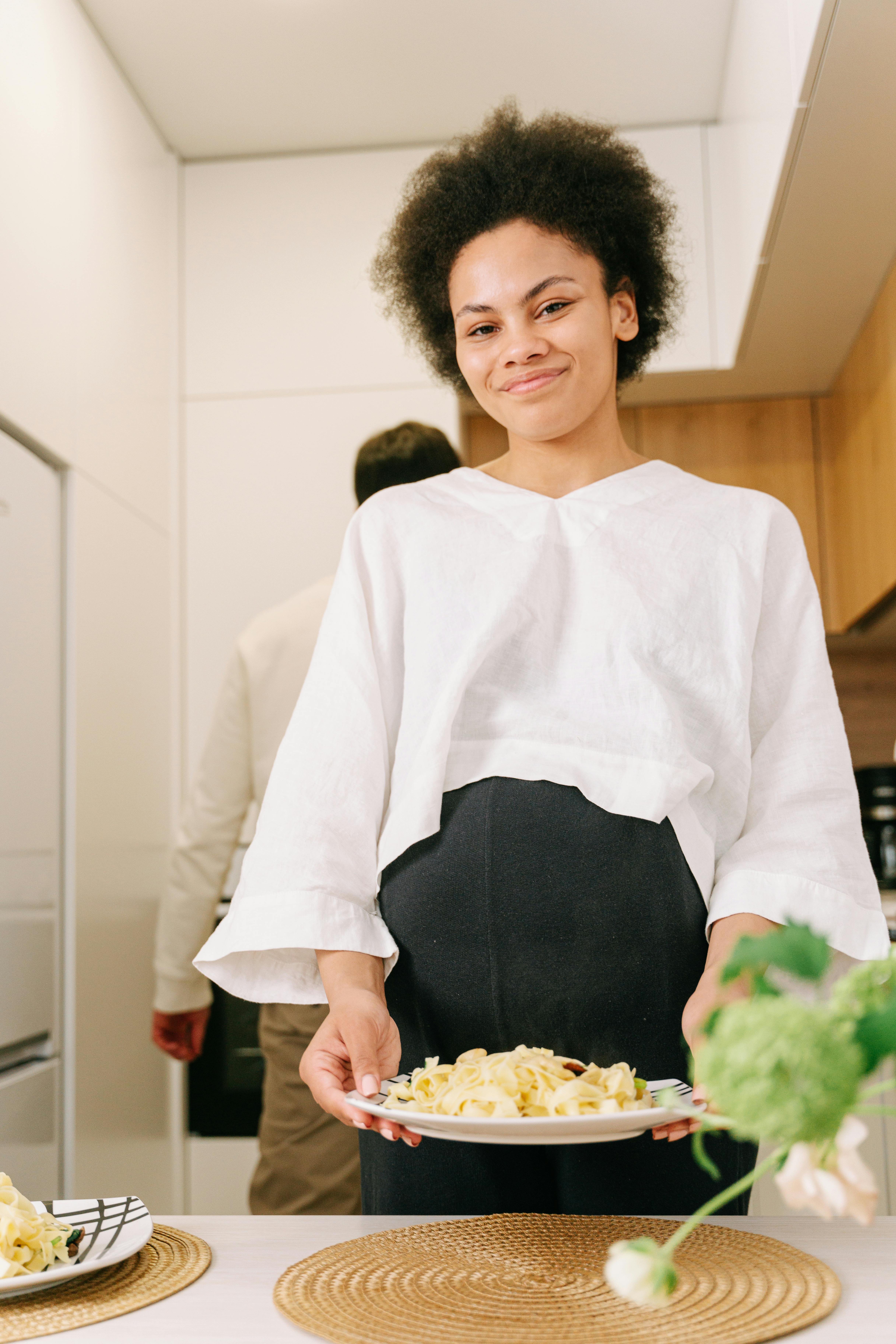
Pregnancy Food Rules, Rewritten: A Doula’s Guide to Eating Well
If you’re pregnant, you’ve probably already heard at least one dramatic warning about food:
“Absolutely no sushi.”
“Don’t drink coffee.”
“You can't eat deli meat.”
"No more cheese dip!"
As a doula, childbirth educator, and experienced mom (who also happens to love sushi), I see a lot of arbitrary rules and fear around what you “can and can’t” eat while pregnant. Much of the advice floating around is either oversimplified or taken out of context.
I do not offer medical advice, but I can offer a grounded, practical perspective on how I approached food in my own pregnancies, how I weigh risks, and what I encourage my clients to consider.
First: How I Think About Food Risk in Pregnancy
Instead of strict “allowed vs forbidden” lists, I think in terms of:
Overall nourishment – Is this way of eating supporting your baby's growth and your energy, blood sugar and mood?
Realistic risk – How likely is this food, from this place, prepared this way, to actually cause harm?
Quality and source – Who prepared it? How fresh is it? How has it been stored?
Your body and your nervous system – Does this choice increase your anxiety or give you a sense of trust and calm?
The goal is informed, intentional choices—not fear.
What I Focused On Eating More Of in Pregnancy
Let’s start with the positives: what I intentionally tried to include.
1. High‑Quality Protein
Pregnancy is a high‑protein season. Protein supports:
Baby’s growth and brain development
Your blood volume increase
More stable blood sugar and energy
I aimed to include protein in most meals and snacks, from things like:
Eggs (high quality from happy chickens. For a time, I raised my own chickens. At other times, I bought "free range" eggs from my local grocery store)
Chicken, beef, fish (I always chose organic, free range and wild caught when possible)
Greek yogurt, cottage cheese (if tolerated)
Beans, lentils, and nuts
If you're a person who likes specific numbers, shoot for roughly 70–100g of protein per day (depending on body size and provider guidance). But for those of us who measure with our hearts, a great rule of thumb is to anchor every meal/snack with a solid protein source.
2. Healthy Fats (Especially Omegas and “Good” Fats)
Fats support baby’s brain and nervous system and keep you fuller and more stable between meals.
Some of my favorites:
Avocado (on toast, in salads, with eggs, on anything really)
Fatty fish (more on sushi/mercury in a minute)
Nuts and seeds (almonds, walnuts, chia, flax)
Avocado oil, olive oil and coconut oil for cooking
3. Whole, Minimally Processed Foods
In general, I tried to build most of my meals around whole or simply prepared foods, and when I did choose convenience options, I paid attention to the ingredient list.
For me, that looked like:
Buying individual foods I could combine myself:
Meat, eggs, rice, oats, beans, veggies, fruit, nuts
Choosing convenience foods with short, simple ingredient lists:
Frozen veggies or fruits
Canned beans
Pre‑cooked rice or simple sauces with ingredients I recognize
Minimizing pre‑cooked, ultra‑processed meals that come with:
Long lists of unrecognizable additives
Lots of added sugar, unhealthy fats, and preservatives
It wasn’t about perfection or “never buying anything in a package.” It was more:
“Can I mostly choose foods where I recognize the ingredients and understand what I’m eating?”
That simple habit alone goes a long way toward supporting better energy, steadier blood sugar, and a more nourished body during pregnancy.
What I Chose to Limit (Not Necessarily Ban)
1. Processed Foods and Lots of Sugar
I’m not anti‑treats; I’m realistic. But I do see:
Sugary, ultra‑processed foods → more blood sugar spikes/crashes → more fatigue, nausea, headaches, and sometimes more anxiety
So I tried to limit:
Sugary sodas and energy drinks
Candy and pastries as daily habits
Highly processed fast‑food meals (especially when I had other options)
Instead of “never sugar,” I tried to reach for sweets that also nourished my body in some way.
So as often as possible, I skipped the Snickers bar and instead made myself some peanut butter–stuffed dates coated in chocolate (they're actually yummier than Snickers in my opinion). I skipped the Oreos and opted for no‑bake oatmeal cookies. They're so quick, easy and inexpensive to make. And of course another perfect sweet treat is chocolate covered fruit.
These all cured my sweet tooth (and let me just say... most of my teeth are sweet teeth!), but they also offered some protein, fiber, and healthy fats instead of just a quick sugar spike and crash. That, ladies, is what you call a win-win!
2. High Amounts of Caffeine
The research on moderate caffeine in pregnancy is generally reassuring, but high intake is more concerning. Many providers suggest staying around or under 200 mg per day (about one regular cup of coffee or energy drink), but you might want to double check your own provider’s recommendation.
My approach:
I didn’t try to be 100% caffeine‑free.
I did avoid:
Big energy drinks
Multiple coffees per day
Mixing caffeine with lots of sugar
I sometimes swapped:
Half‑caf or smaller servings
Tea instead of coffee
Decaf when I just wanted something warm
Again, this is about dose and frequency, not panic over one latte.
3. Raw Fruits and Veggies From Certain Fast‑Food/Chain Places
This is more about food poisoning risk than pregnancy‑specific rules.
Personally, I chose to be more cautious about:
Pre‑chopped salads, lettuce, or fruits from fast‑food places
Salad bars where food sits out for long periods
It’s not that fruits and veggies are unsafe—they’re wonderful. But:
When I can’t see how often they’re washed, replaced, or stored
When turnover seems low or hygiene questionable
I personally am not so interested in taking those kinds of risks while pregnant. Food poisoning is miserable anytime; in pregnancy it can be even more serious and dehydrating, and I really wanted to avoid that.
So I leaned toward:
Washing and preparing produce at home
Choosing cooked options when eating in places I didn’t fully trust with raw items
The Big Question: Sushi During Pregnancy
Let’s talk about the big controversial one.
I’m a sushi lover. During pregnancy, I did not feel that all sushi was automatically “high risk” for me personally. Here’s how I thought it through and what I share with clients:
What Most Standard Advice Says
Typical blanket guidance is:
Avoid all raw fish and shellfish in pregnancy due to:
Risk of foodborne illness (bacteria, parasites)
Potential contamination
Limit high‑mercury fish (pregnant or not)
You’ve probably seen these lists that say “no sushi” full stop.
How I Personally Approached Sushi
This is my personal comfort level, not a universal rule:
I chose high‑quality, reputable sushi restaurants I already trusted.
I was mindful about type of fish and mercury levels:
I avoided high‑mercury fish (like large tuna species, swordfish, etc.) as a frequent choice.
I leaned on lower‑mercury options (like salmon, shrimp, crab, eel and certain roes like masago and tobikko).
For myself, I felt comfortable with ordering lower-mercury and cooked sushi from places I knew and trusted. When someone asks me as their doula/educator, I typically say:
Assess the actual restaurant—not just the generic category “sushi.”
Be intentional about what kind of sushi and how frequently you order it.
Talk honestly with your provider about any unique health risks you may have.
If eating a few pieces of sushi from a truly reputable place every so often makes you feel nourished and brings you joy, I'm not going to be the one to poo poo on your parade.
Generally speaking, I am a big believer in listening to your body and trusting your instincts. Always do your own risk-benefit assessment and consider the recommendations of your trusted care provider.
The Core Principles I Come Back To
Instead of obsessively tracking every “do” and “don’t,” I focus on a few guiding questions:
Is this food supporting my body and baby, or mainly spiking my blood sugar and leaving me depleted?
Do I trust the source and handling of this particular food?
What does my trusted care provider advise, given my personal health history?
Does this choice make me feel nourished and joyful, or guilty and anxious?
For me, eating well while pregnant looked like:
Eating plenty of protein and healthy fats
Focusing on real, minimally processed foods most of the time
Limiting sugar, soda, and high caffeine
Being cautious with raw produce and foods from places I didn’t trust
Making an intentional, informed decision to eat sushi from high‑quality, reputable spots, with attention to fish type and frequency
A Gentle Reminder
You can do everything “perfectly” and still have surprises in pregnancy.
You can also be far from perfect and still grow a healthy baby.
My role as a doula and educator is not to police your plate, but to:
Offer information and context
Help you ask better questions
Support you in making aligned, informed choices that fit your values, your body, and your life
You deserve more than fear‑based food rules. You deserve support, nuance, and the reminder that you are allowed to enjoy eating while you grow a human.
Take care and mother bare,
Hayley
